
Birdwatchers Paradise
*Discover the birds of Iceland
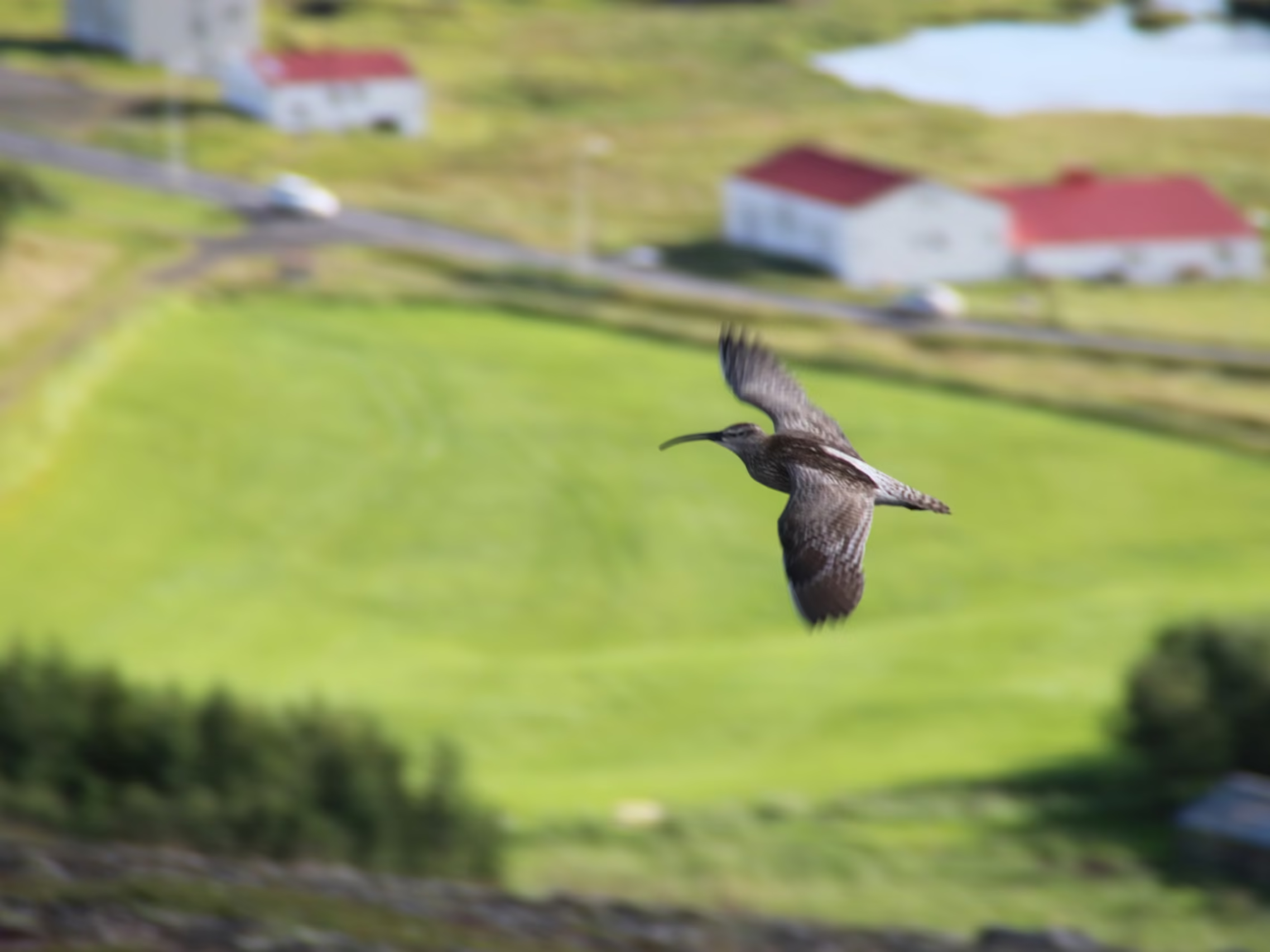
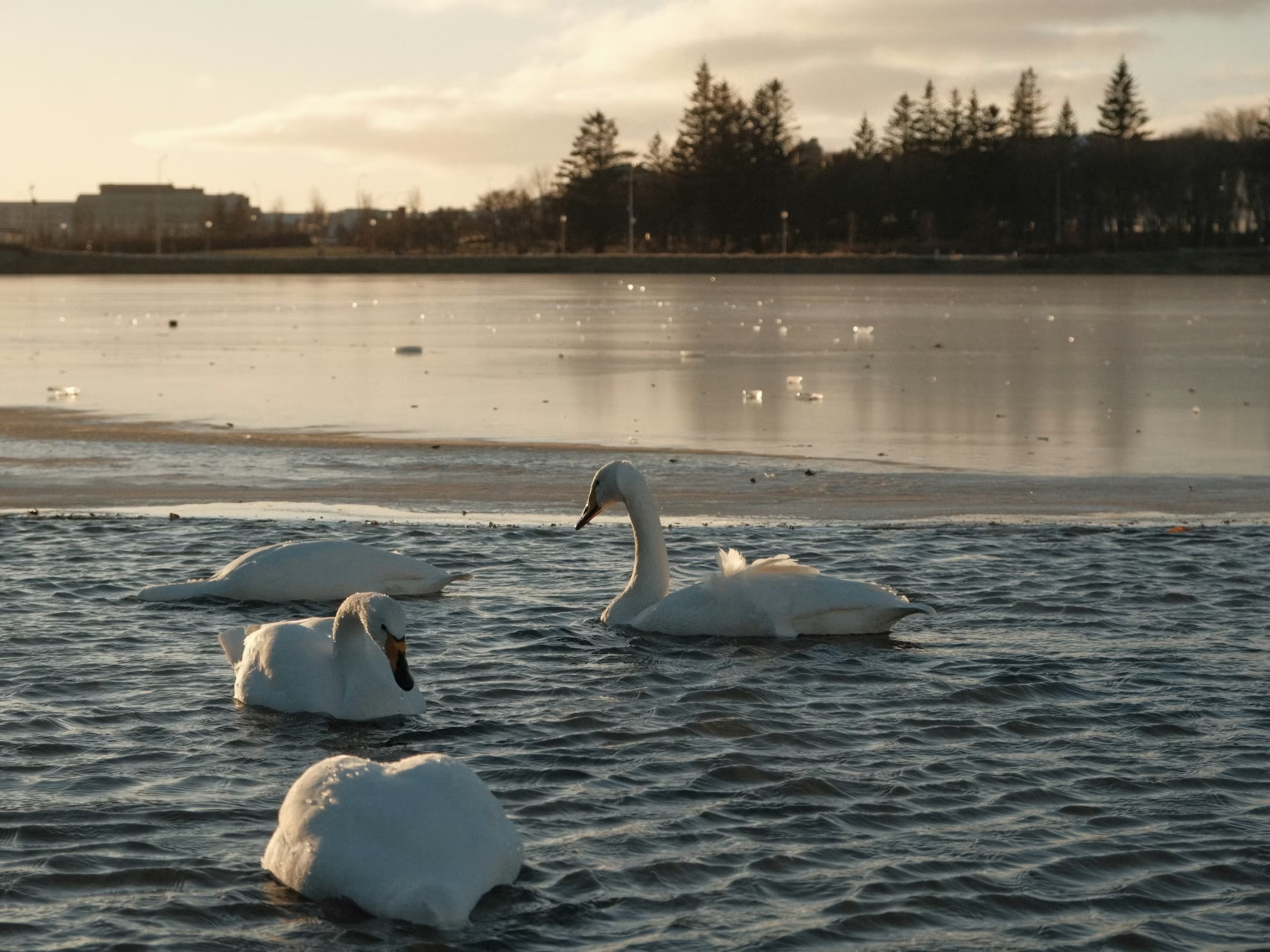
This region is defined by a unique combination of coastal wetlands, open fields, and glacial environments, creating ideal conditions for a wide variety of bird species throughout the year.
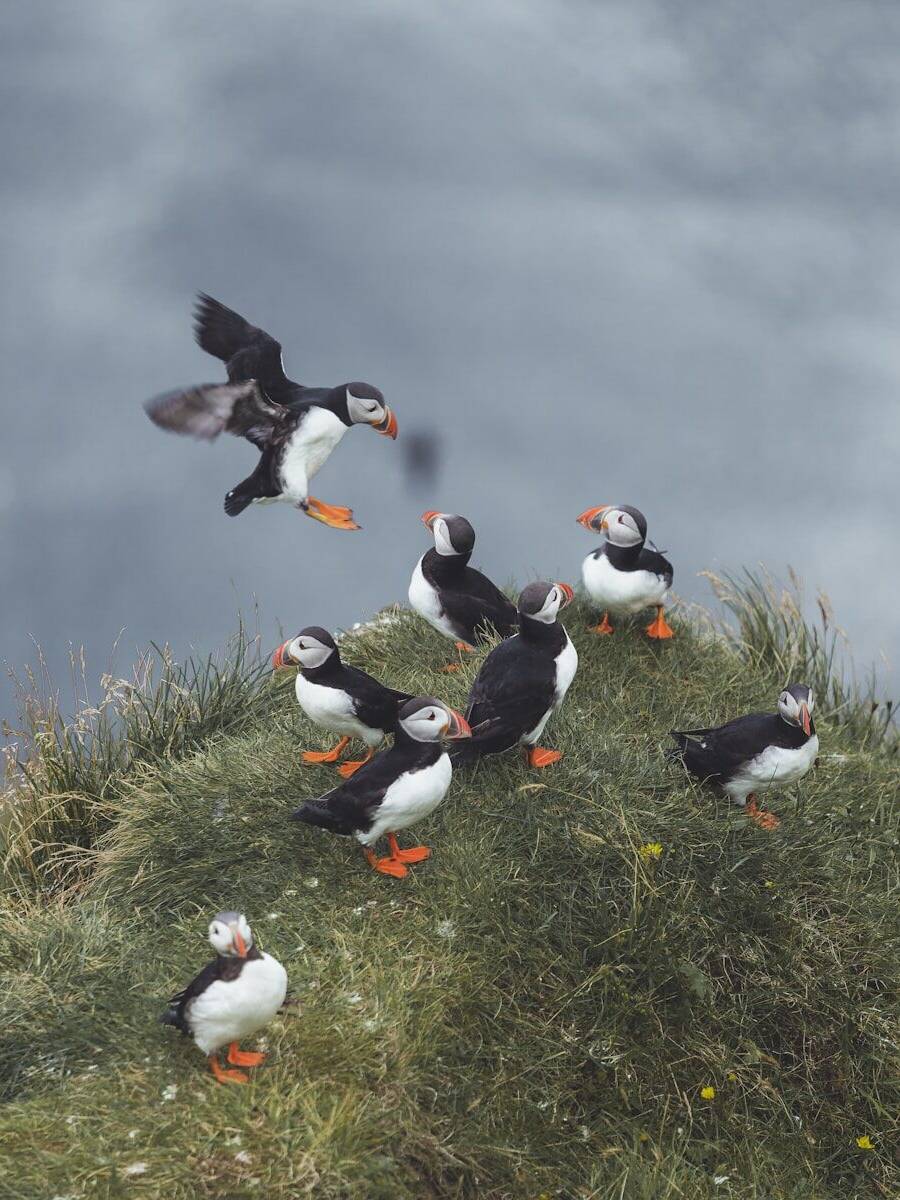
Birdwatching in Southeast Iceland offers a quieter and more immersive way to experience nature, especially in the landscapes surrounding Vatnajökull National Park.
The area around Höfn, just a few minutes from Arnanes, is particularly known for its rich birdlife. Coastal zones and shallow waters attract seabirds and migratory species, while inland landscapes provide nesting grounds and feeding areas in a peaceful, undisturbed setting. These natural habitats make Southeast Iceland one of the most interesting regions in the country for observing birds in their natural environment.
Unlike more crowded locations, this area allows for a slower, more attentive experience, where observation becomes part of the landscape itself. The presence of glaciers, mountains, and wide horizons adds a strong visual dimension, making birdwatching as much about the environment as the wildlife.
What makes birdwatching here distinctive is not only the diversity of species, but also the scale and silence of the surroundings.

Enjoy your time
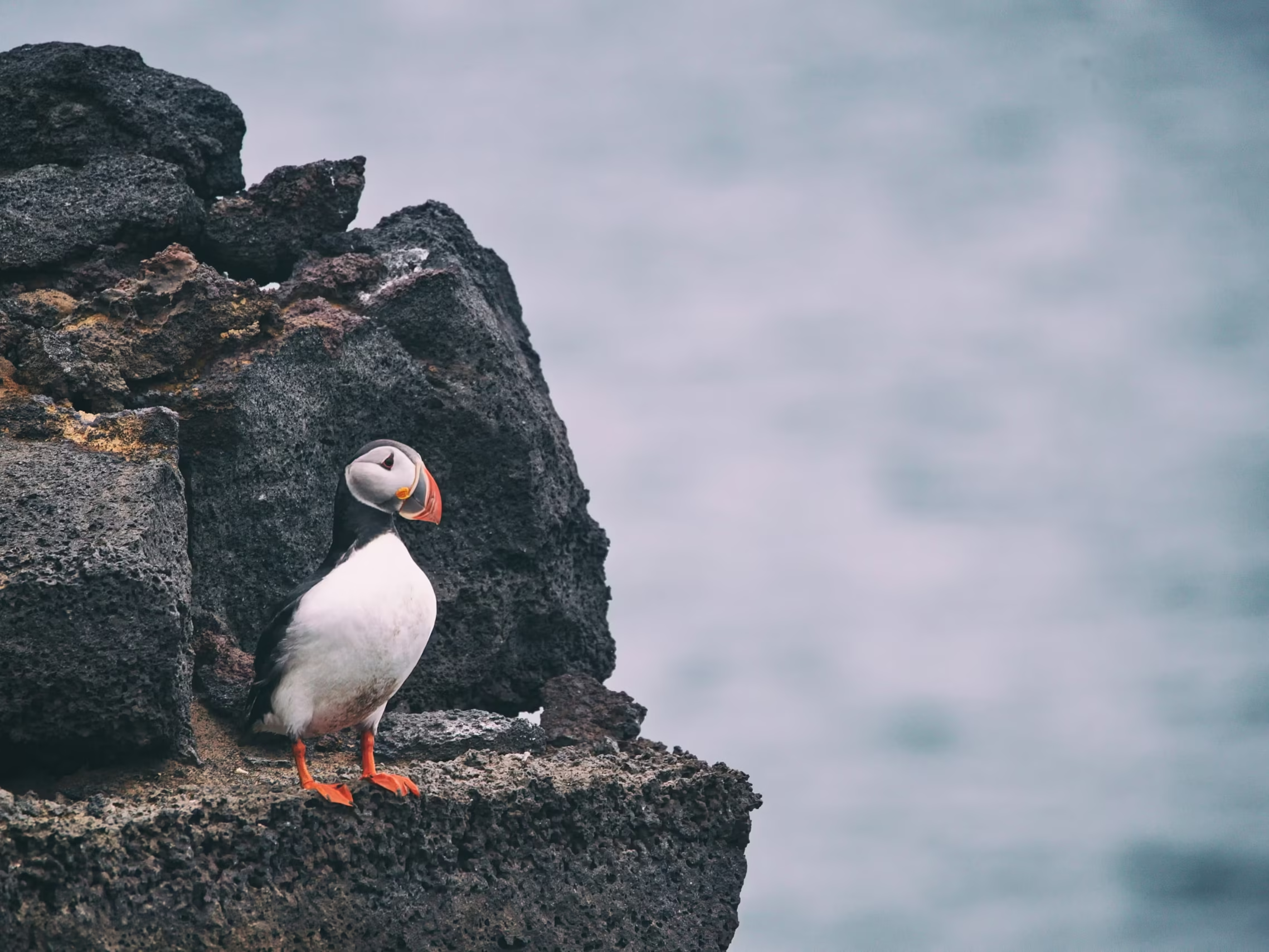
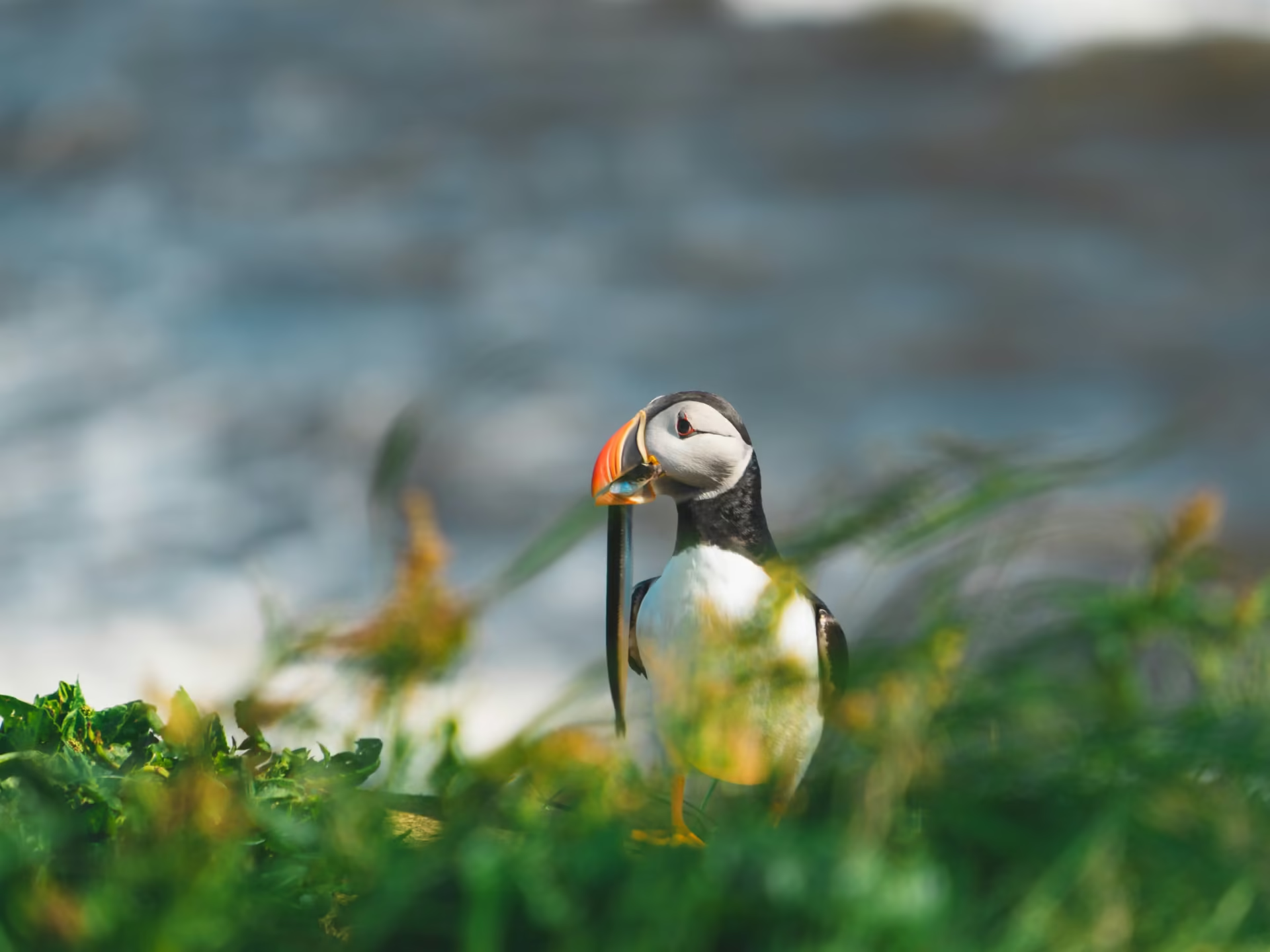
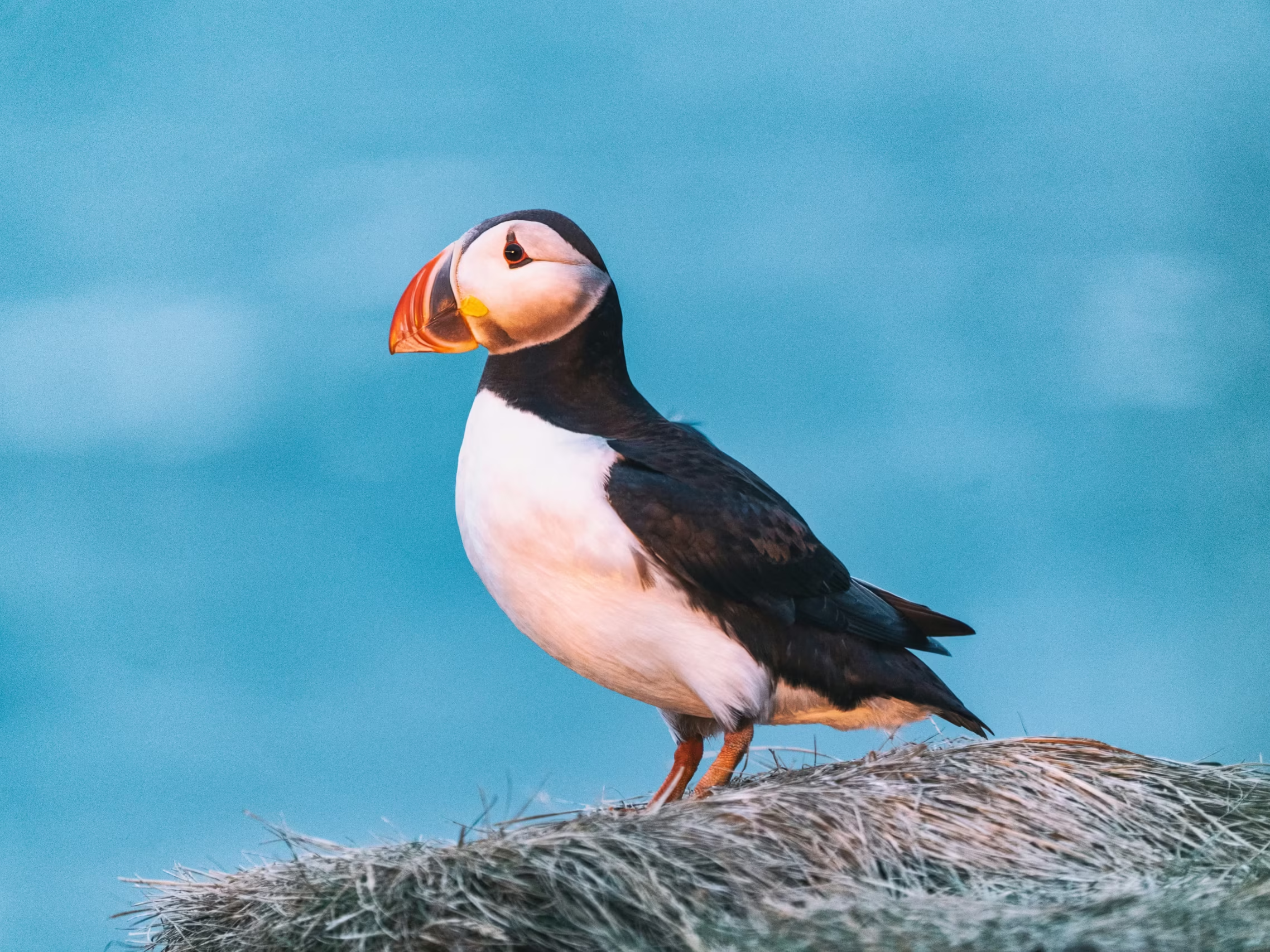
Ingólfshöfði is an isolated headland between black sands and the Atlantic Ocean, with thousands of nesting seabirds, especially puffins and the great skua. This historical cape is named after the first settler of Iceland, Ingólfur Arnarson, who spent his first winter in Iceland there in the year 874 AD. To get to Ingólfshöfði you cross 6 km of waters, marshes and sands in a tractor-drawn hay cart.
From Arnanes, the park and its main attractions are easily accessible, while the setting remains peaceful and panoramic.
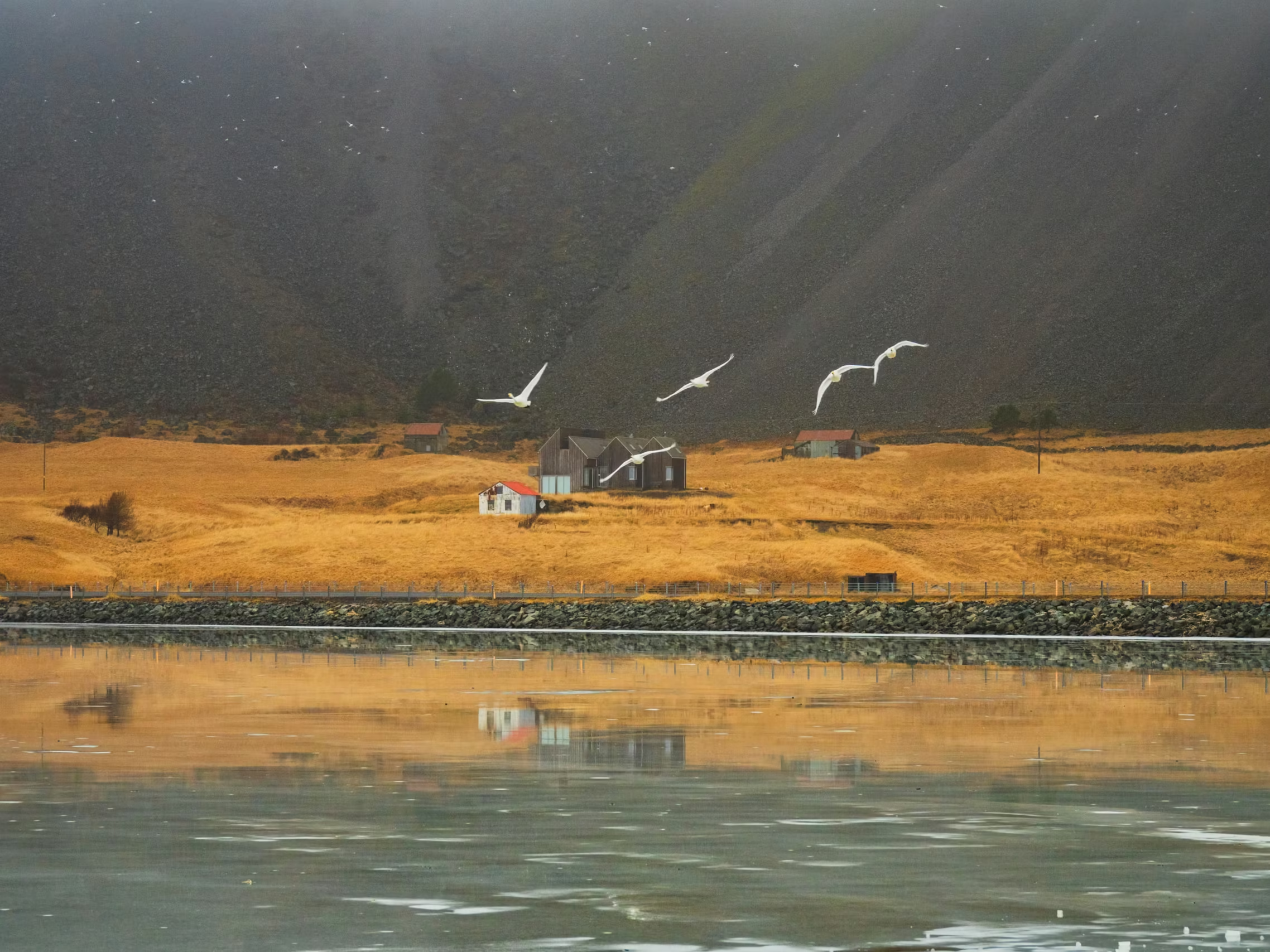
*After a day spent birdwatching, coming back to a calm environment becomes an essential part of the experience.
The coastal areas, wetlands, and open fields around Höfn provide excellent birdwatching opportunities, all within a short distance from the hotel.
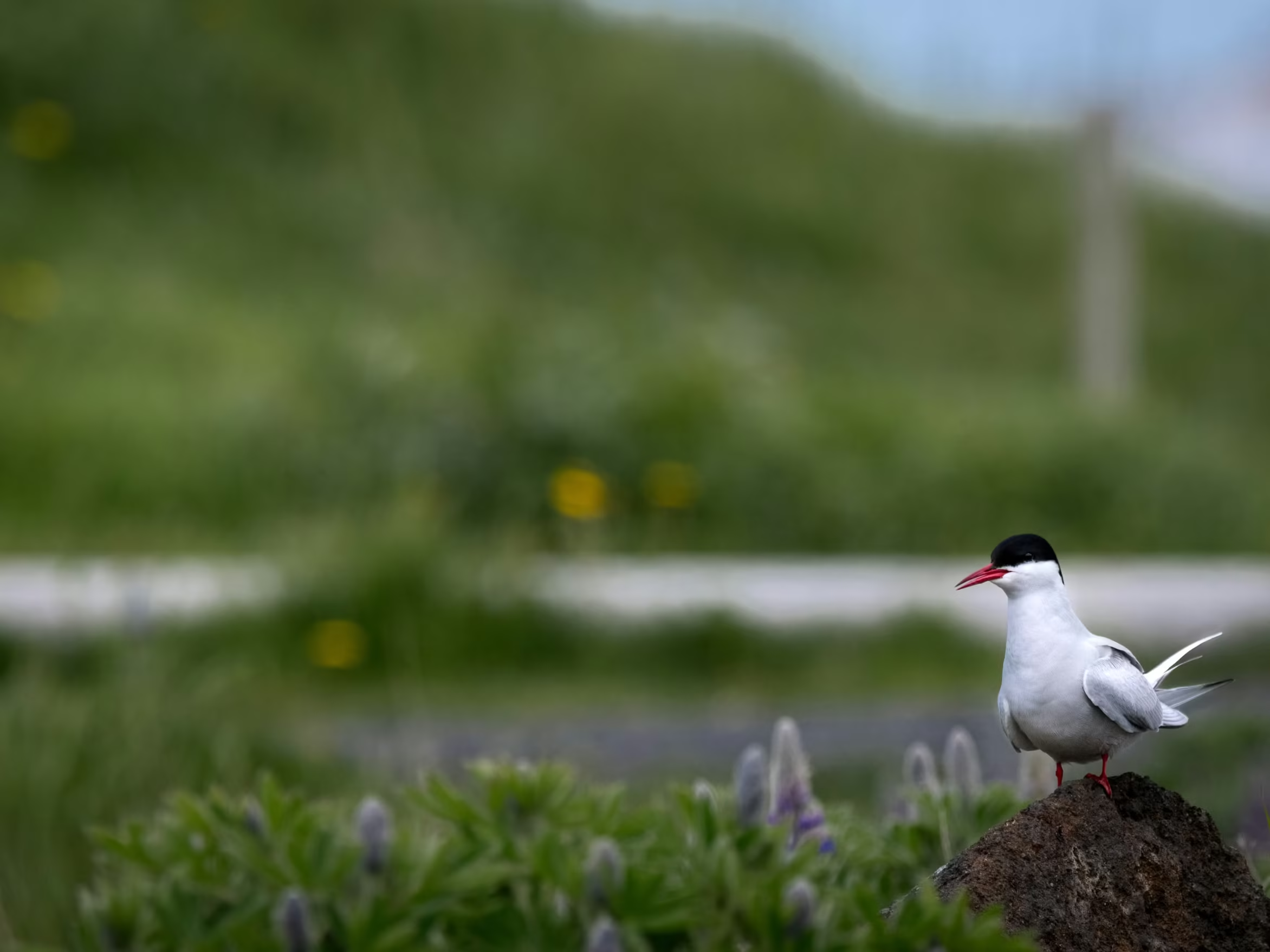
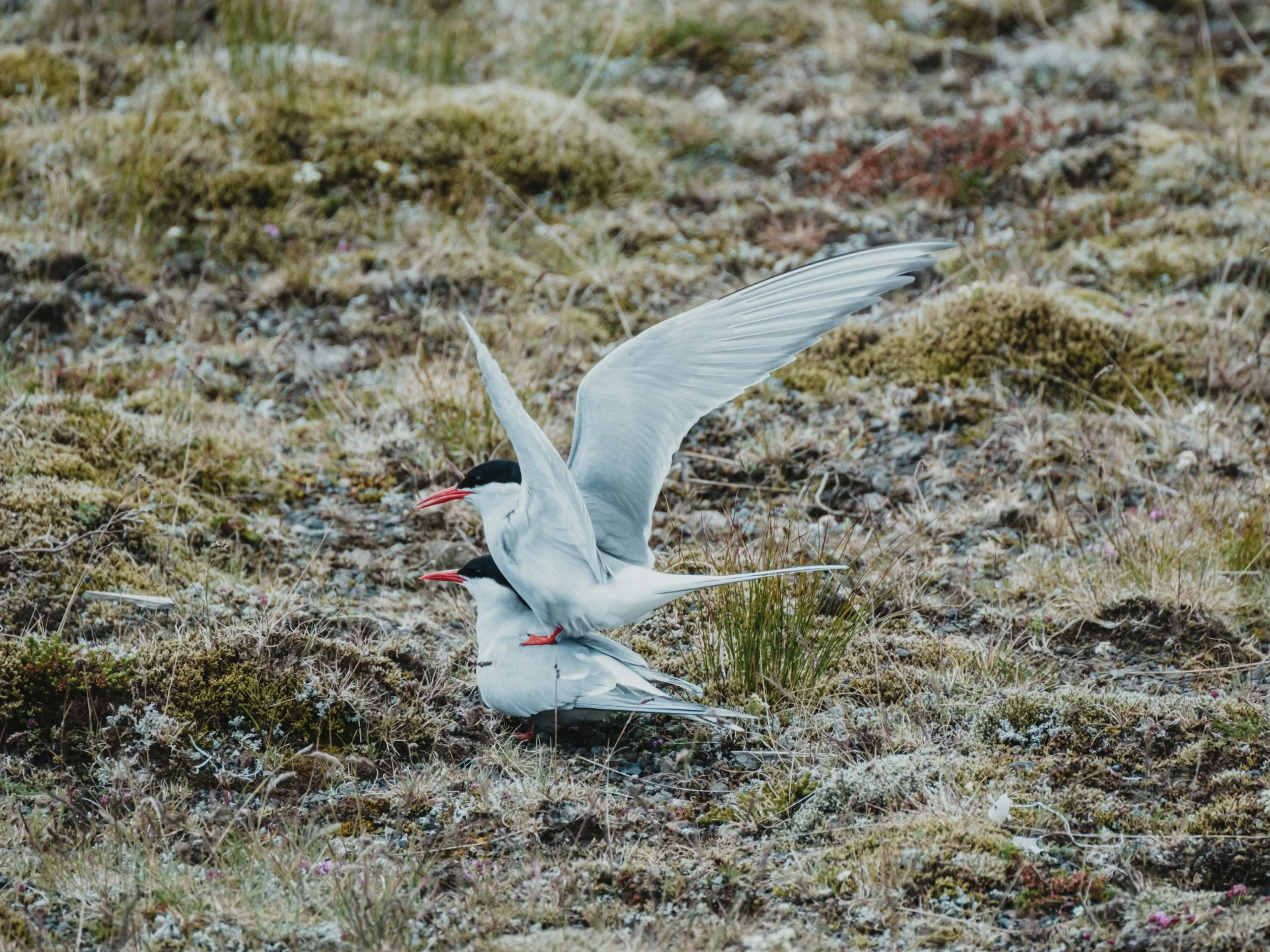
The region hosts seabirds, waders, and migratory species, especially during the summer months when bird activity is at its peak.
Late spring and summer offer the highest diversity and longest daylight hours, making them ideal for observation.
Yes, the landscapes are open and easy to explore, making it suitable for both beginners and experienced birdwatchers.
Binoculars are recommended, especially for observing birds in coastal and open environments.
Yes, the combination of glacier landscapes, coastlines, and wetlands creates a rich and varied ecosystem for birdlife.